

How To Clean Smelly Plastic Cutting Boards
Y'all may be racing to get through the daily chores, only cleaning kitchen utensils and equipment properly should never exist rushed!
To put this into context, chopping boards tin harbour 200% more bacteria than a toilet seat, according to NHS Direct. And being aware of how bacteria from the ingredients you're prepping for one meal can be transmitted to a future one is key to preventing nutrient poisoning.
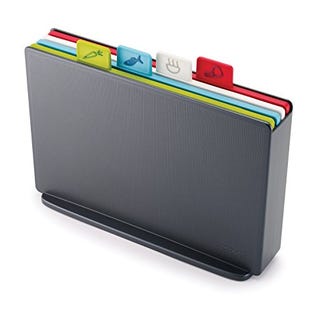
Different coloured chopping boards for meat and veg are a sensible way of stopping contagion. The Food Standards Agency (FSA) recommends color coding your chopping boards according to whether you are preparing raw or ready-to-consume food, meaning each type of food has a designated chopping board.
Simply, in reality, that doesn't always happen in a decorated home. Here'south how to make certain you go on your chopping boards make clean so y'all tin can avoid getting ill.
How to clean a chopping board
The humble chopping board is integral to even the most basic of kitchens, and that'due south why it needs careful attention.
What to practise...
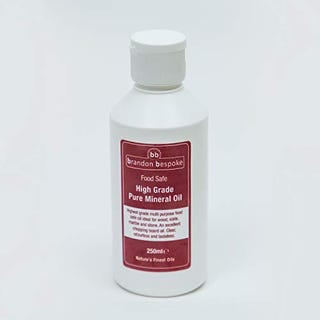
- Do oil wooden boards regularly with mineral oil, available from stockists such as Amazon. Follow any care and cleaning tips you discover in the instructions or on the packaging of the oil.
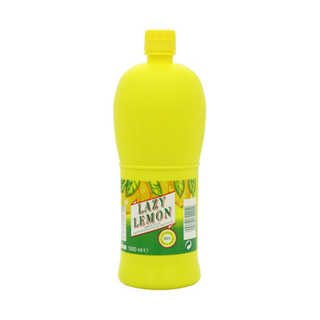
- Do remove food stains on plastic chopping boards by rubbing fresh or bottled lemon juice on them and leaving overnight. If you prefer to use vinegar as a natural solution, mix 4 parts water with i part white vinegar. Soak the lath for a few minutes. Rinse and dry out.
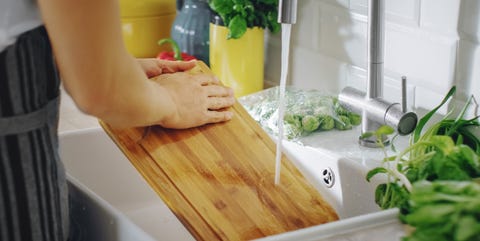
- Do keep chopping boards stain-free and hygienic past e'er scrubbing them in hot running water or, better still, carefully pour freshly boiled water over them to sterilise them. If they're dishwasher-safe, this is the easiest way to ensure a aseptic clean, just make certain the bicycle is at least 65°C.
- Do use disinfectant on boards that accept had raw meat on them.
What to avert...
- Don't place wooden boards in the dishwasher or soak them in hot water, or they'll warp and crack.
- Don't set up raw meat/poultry on the same board every bit cooked meat/poultry or fruit and veg without washing them thoroughly in-betwixt.
- Don't dry your boards with tea towels. When information technology comes to cross-contagion, tea towels can be a likely culprit. Newspaper towels are preferable.
Choosing your chopping board material...
Not sure which type of chopping board to opt for? Read on for the pros and cons of glass, plastic and forest.
Glass
- Bonny in mod kitchens.
- Often estrus-resistant, so you lot can remainder a hot pan on it.
- Odour and stain-proof.
- Can tedious knives and provide less grip when chopping.
Plastic
- Lower maintenance as can usually be put in the dishwasher (needs to be washed at 65°C+ to remove the harmful bacteria effectively).
- Non-porous, so leaner and odours tin can be easily removed from the surface.
- Typically the least expensive.
- Non rut-resistant.
Wood
- Higher maintenance, but if it's well looked afterwards and oiled regularly, can last for years and remain waterproof.
- Heat resistant.
- Won't blunt your knives as quickly every bit other types of lath.
- Solid and sturdy, providing a good grip when in use.
- Despite the fact that leaner can be fatigued into the wood, the leaner tin can't reproduce there, so they die.
Chopping board essentials
This content is created and maintained past a tertiary party, and imported onto this page to help users provide their email addresses. You may be able to discover more information almost this and similar content at piano.io

Source: https://www.goodhousekeeping.com/uk/house-and-home/household-advice/a671552/chopping-board-care/
Posted by: hodgewelain.blogspot.com
0 Response to "How To Clean Smelly Plastic Cutting Boards"
Post a Comment