

How Long To Cook Miracle Noodles
This page may contain affiliate links. Please read my disclosure.

Shirataki noodles (a.k.a. konjac noodles, gluccomanan noodles, Miracle Noodles, Skinny Noodles, Trim Healthy Noodles, Not Naughty Noodles, etc.) have zero net carbs, zero grams of fat, and are conducive to weight loss in pretty much any lifestyle (like Trim Healthy Mama) or diet (like keto, low carb, etc.).
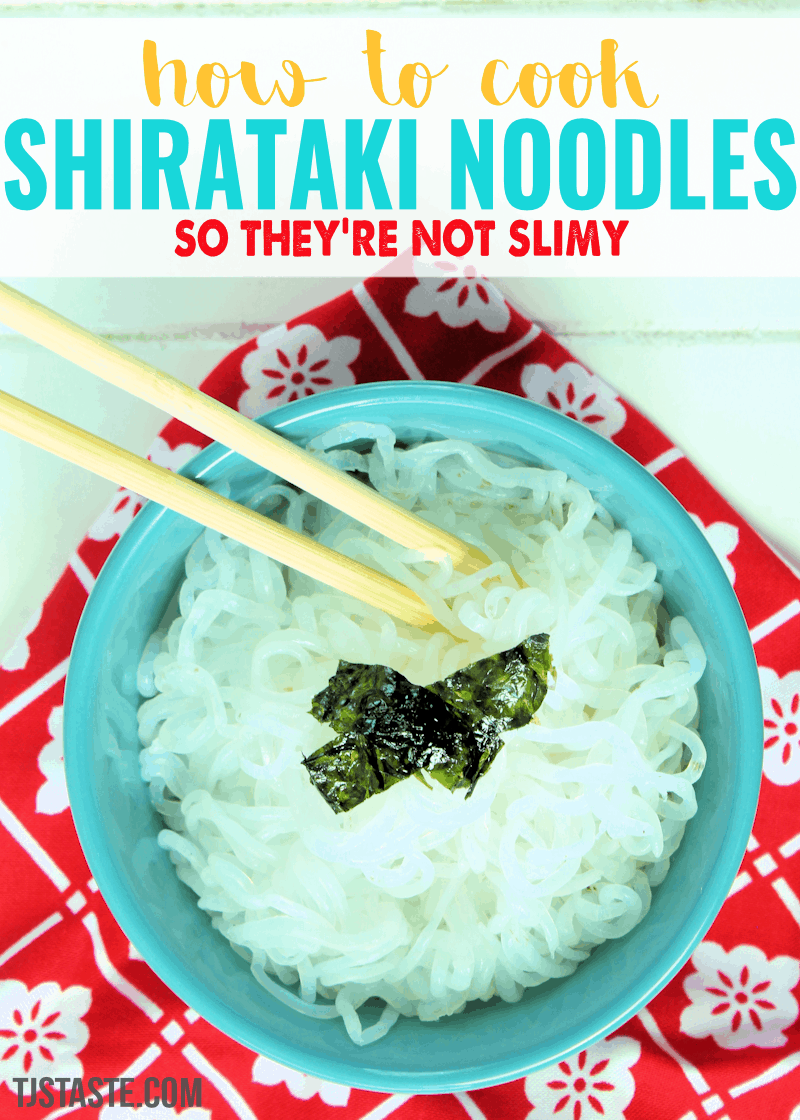
But…usually…they have a slimy texture. And a weird fishy/oceany smell (this is caused by the alkaline water they're packed in). And they taste kinda weird. That is, unless you prepare them till they're good.
While some people like shirataki noodles from their first taste, I personally had to acquire a taste for them. The first time I had them I was so excited because they looked kinda like ramen or pad thai noodles. But, when I prepared them according to the package directions, the resulting noodles were smelly, had a slimy texture, and tasted just plain gross. Major disappointment!
So I started applying various methods for preparing the shirataki noodles because I was determined to find a way to like them. After quite a bit of trial and error, I landed upon this method.
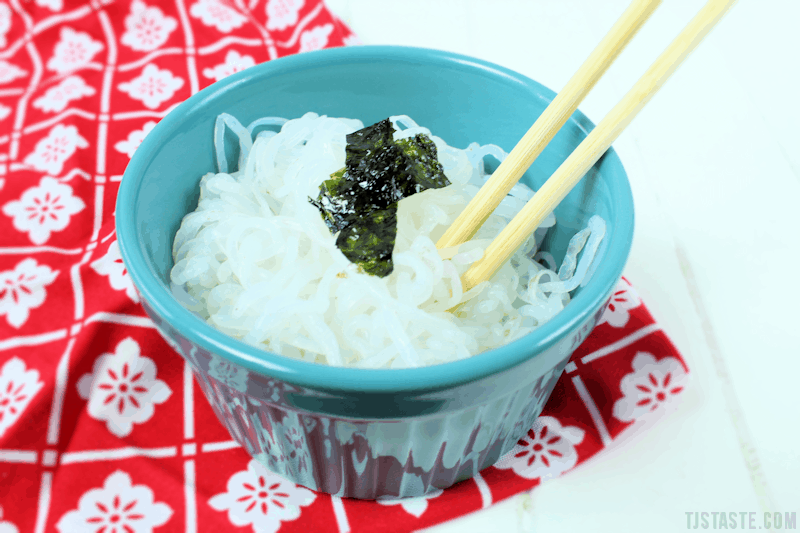
How to Cook Shirataki Noodles
Below is not the only method for preparing shirataki noodles, but it's my favorite and the one I found that best removes the yucky aspects and leaves a plain noodle that is great as a healthful transportation for sauces and toppings.
- Pour the shirataki noodles into a sieve to drain off the stinky water they were packaged in.
- Rinse under cold water, moving them about a bit with your hand so that all the yucky water gets thoroughly rinsed off.
- Transfer the noodles to a glass bowl.
- Add some acid to remove the unpleasant smell. I usually go for lemon juice, but lime juice, apple cider vinegar, or white vinegar all work too. Add about 1 teaspoon to a single serve package of shirataki noodles; add about 1 tablespoon to a family size package of shirataki noodles. Toss with your hand to coat all the noodles with the acid. Allow to rest in the acid for about 2 minutes.
- Return the noodles to the sieve to drain off the acid and r inse again with cold water, tousling with your hand to rinse off the acid. Set aside to drain (I usually hang the sieve on the bowl I had soaked the shirataki noodles in).
- Preheat a skillet over medium-high to high heat. Melt 1/2 teaspoon to 1 tablespoon fat (such as butter or coconut oil, whatever compliments the final dish; keep in mind fat portion if you're preparing a THM E dish). Add the noodles.
- Using tongs, jostle the shirataki noodles as they heat up. There may be a lot of steam and that's okay. The point is to evaporate all the water and dry out the noodles to remove the slimy texture.
- The noodles have cooked long enough when they begin to release a squeaking noise when you stir and squish them.
Shirataki Noodles
Cook plain shirataki noodles so they're NOT slimy or yucky!
Prep Time 5 mins
Cook Time 5 mins
Total Time 10 mins
Course Main Course
Cuisine Japanese
Servings 1 serving
Calories 1
- shirataki noodles (any brand, any size)
- fat (butter, coconut oil, etc.; see notes)
- acid (lemon juice, lime juice, vinegar; see notes)
Prevent your screen from going dark while using this recipe.
-
Pour the shirataki noodles into a sieve to drain off the stinky water they were packaged in.
-
Rinse under cold water, moving them about a bit with your hand so that all the yucky water gets thoroughly rinsed off.
-
Transfer the noodles to a glass bowl.
-
Add some acid to remove the unpleasant smell. I usually go for lemon juice, but lime juice, apple cider vinegar, or white vinegar all work too. Add about 1 teaspoon to a single serve package of shirataki noodles; add about 1 tablespoon to a family size package of shirataki noodles. Toss with your hand to coat all the noodles with the acid. Allow to rest in the acid for about 2 minutes.
-
Return the noodles to the sieve to drain off the acid and rinse again with cold water, tousling with your hand to rinse off the acid. Set aside to drain (I usually hang the sieve on the bowl I had soaked the shirataki noodles in).
-
Preheat a skillet over medium-high to high heat. Melt 1/2 teaspoon to 1 tablespoon fat (see notes). Add the noodles.
-
Using tongs, jostle the shirataki noodles as they heat up. There may be a lot of steam and that's okay. The point is to evaporate all the water and dry out the noodles to remove the slimy texture.
-
The noodles have cooked long enough when they begin to release a squeaking noise when you stir them.
For Individual Size
- Use about 1 teaspoon acid for soaking.
- Use at least 1/2 teaspoon (no more than 1 teaspoon total in a THM E meal) fat.
For Family Size
- Use about 1 tablespoon acid for soaking.
- Use at least 1 tablespoon (no more than 1 teaspoon per serving in a THM E meal) fat.
Serving: 0.5 cup Calories: 1 kcal Carbs: 0 g Fat: 0 g
Nutrition & Diet Disclaimer
Popular on TJ's Taste:
How Long To Cook Miracle Noodles
Source: https://tjstaste.com/shirataki-noodles/
Posted by: hodgewelain.blogspot.com
0 Response to "How Long To Cook Miracle Noodles"
Post a Comment